Throw a Seed Plants Tier List
Which rarities deserve garden slots, what to sell, and how Secrets change offline cash.
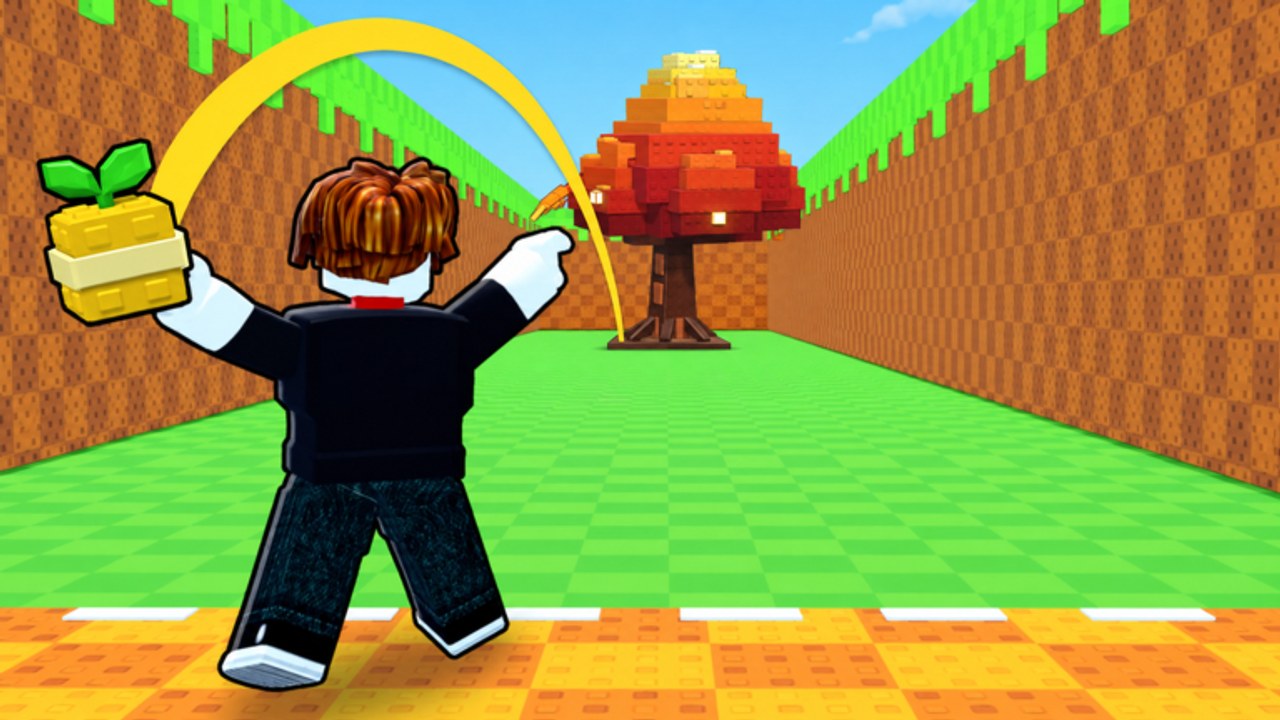
Your garden is the long-term engine of Throw a Seed. Throws create plants; plants create cash while you train, sleep, or hop servers. With 75+ plants across ten rarities from Common to Secret—plus Update 1’s extra rarities and four new Secrets—slot choice matters more than collecting every leaf. This page ranks plant priorities for garden income, explains when Index completion should come before pure cash (see Index Collection), and links the systems that feed better rolls: luck zones, seed quality, and mutations.
For seed shopping decisions, use the companion Seeds Tier List. For the grading rubric, return to the Tier List Hub.
How to read plant tiers
We map rarities into practical garden advice. Exact plant names rotate as Fish Time Studios ships content, so think in bands and roles:
| Band | Typical rarities | Garden role | Default tier sense |
|---|---|---|---|
| Filler | Common, early Uncommon | Temporary slots, tutorial income | C–D once midgame starts |
| Steady | Mid Uncommon–Rare | Reliable offline baseline | B |
| Spike | Epic–Legendary-style bands | Major income jumps, flex | A |
| Chase | Mythic-adjacent through Secret | Index glory + top cash when mutated/large | S (with caveats) |
| Update 1 extras | Two new rarities + 4 Secrets | Resets parts of the endgame board | Evaluate on Update 1 |
S-tier garden priority: Secret-tier plants (including Update 1’s four new Secrets) and any lower rarity that rolled exceptional size or mutation multipliers. If a mutated Rare prints more cash than a dry high rarity, the mutated Rare wins the slot until you can keep both.
A-tier: High non-Secret rarities that consistently beat your median earner. Keep them while hunting Secrets; only sell when a clearly better plant needs the space.
B-tier: Solid mid rarities that fund training and seed upgrades without shame. Fine for expanding gardens.
C-tier: Early plants that taught you the loop. Replace as soon as something with better cash/Index value lands.
D/F-tier mistakes: Refusing to sell sentimental Commons while your offline income crawls; or deleting a mutated mid plant because the rarity tag looks “low.” Read Mutations & Secrets before mass-selling.
Common → Secret: what to prioritize
Common and early bands
Commons exist to prove the loop: throw, land, place, earn. On day one, fill every garden slot even with Commons—empty slots earn nothing. Move on quickly using Getting Started and Garden Income. Over-keeping Commons into midgame is the most common F-tier habit.
Mid rarities
Once pull-ups and bar upgrades (Wood upward) let throws clear more of the 15 zones, mid rarities become your reliable payroll. Prioritize plants that:
- Beat your weakest slotted earner by a clear margin
- Show positive mutation or size text worth keeping
- Help Index completion without tanking cash
High rarities and Secrets
Secrets are the Index crown jewels and usually the strongest default keepers. Update 1’s four Secrets should jump to the top of your watch list during the November 13–20, 2026 window. Still apply income logic: if garden capacity is tiny, one mega-earner plus room to experiment can beat a museum of stagnant trophies.
Pair Secret hunting with better luck throws—Zones and Luck and How to Throw—so you are not expecting Meadow-distance rolls to drip Secrets.
Income-first decision tree
- Is a garden slot empty? Place your best unplanted plant now.
- Did you just land something that earns more than your weakest slot? Swap.
- Is the weaker plant unique for Index? Park it only if you can afford the income hit or have spare capacity.
- Are you mid Update 1? Prefer plants tied to new rarities/Secrets when their earn rate competes; otherwise keep funding Seed Packs and strength via Seeds Tier List.
- About to go offline? Lock the highest stable earners before logout—offline cash is a design pillar.
Mutations, size, and why rarity lies
Huge sizes and rare mutations can multiply value enough to break rarity order. Treat any plant with standout modifiers as a temporary S-tier candidate until you measure garden tick improvement. Document what you keep so you do not accidentally sell your best earner during a cleanup session.
Synergy with codes, scripts, and servers
- Spend Codes cash on capacity or seeds that feed better plant rolls—not on hoarding low plants.
- Auto-sell scripts (see Scripts) can delete a mutated gem if filters are naive. Configure carefully or play manual.
- In 5-player lobbies (Players), visible Secret gardens attract questions—share this tier logic instead of vague “just get lucky” replies.
Related guides and tools
- Tier List Hub — S–F criteria
- Seeds Tier List — what to buy to roll better plants
- Garden Income — offline cash theory
- Mutations & Secrets — chase targets
- Progression Checklist — when to expand garden vs train
- Wiki — full overview
Revisit this Plants Tier List after every major Fish Time Studios drop. When Update 1 worlds reshape drop tables, your S-tier photo album should change with them—not your willingness to sell obsolete fillers.
Frequently Asked Questions
Quick answers for Throw a Seed players.
Which plant rarities should I prioritize for garden income?
Fill slots early with anything, then replace Commons quickly. Keep high earners and mutated spikes; treat Secrets and Update 1 Secrets as top default keeps when capacity allows.
Should I keep every plant for the Index?
Complete the Index over time, but do not let low earners permanently block offline cash. Expand capacity or rotate trophies thoughtfully.
Are mutated Rares better than plain high rarities?
Often yes for pure income. Compare garden ticks after a swap instead of trusting the rarity label alone.
How does Update 1 change plant tiers?
Two new rarities and four Secrets add chase targets. Re-evaluate slot priority during the November 2026 event using the Update 1 guide.
When should I sell plants?
Sell when a new landing clearly beats your weakest slot and the old plant is not a unique Index hold you still need.